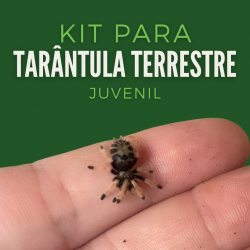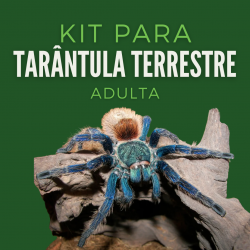


| Common Name: | Tarântula Grammostola Rosea |
| Scientific Name: | Grammostola Rosea |
| CITES Appendix: | No |
| Annex II Portuguese Ordinance No. 86/2018: | Yes |
Under Portuguese Law No. 95/2017 of 23 August, the sale and/or advertising of wild/exotic animals through websites or online platforms is not permitted. To find out which animals we currently have available and their conditions of sale, please get in touch with us.
 Progressive Discounts
The more you buy, the less you pay for transport
 Same Day Dispatch
For orders finalized by 3pm
 Live/Frozen Guaranteed Delivery
In live and frozen food
Size: Adults can reach a 12-14cm leg span
Origin: Chile, Bolivia and Argentina
Lifespan: Up to 20 years (females); 4-7 years (males)
Natural Habitat: They inhabit desert regions, dry scrubland and arid grasslands of Chile, Bolivia and Argentina
The Tarântula Chilena Rosa (Grammostola rosea), also known as the Tarântula Cabelo-de-Rosa (Chilean Rose Hair), is one of the most popular and widely kept tarantula species in captivity. Known for its generally docile nature, attractive pinkish-red colouring and remarkable longevity, it has become a classic choice for both beginners and experienced invertebrate keepers.
This terrestrial tarantula comes from the arid regions of South America, where it has developed traits that make it particularly hardy and adaptable. They are slow-growing animals that can take 8 to 10 years to reach maturity. Despite its reputation for docility, this species can show changes in behaviour and is known for long fasts lasting weeks or even months, which is perfectly normal and no cause for concern.
Although this is a relatively easy species to keep, you should pay attention to a few aspects and ensure certain conditions, which you will find in the following paragraphs.
Size: Minimum 30x30x30cm for 1 adult
Material: Glass, plastic or acrylic with good ventilation
Grammostola rosea adapts well to room temperature and generally does not need extra heat sources. The ideal temperature is 22ºC to 27ºC during the day, dropping slightly at night without problems. In colder climates, a thermostat-controlled Heat Mat placed on the side (never the base) of the terrarium may be needed to maintain suitable temperatures.
This species is nocturnal and does not need special lighting. Natural room light is enough. Avoid exposing the terrarium to direct sunlight, as this can cause overheating and stress.
Coming from arid regions, the Tarântula Chilena Rosa prefers relatively dry environments. The ideal relative humidity is between 40% and 60%. It is important to avoid excessive humidity.
To maintain suitable humidity, keep part of the substrate slightly damp (never waterlogged), creating a humidity gradient in the terrarium — one drier area and one slightly more humid. You can lightly mist one corner once a week or every two weeks, letting the substrate dry between mistings. A shallow dish of clean, fresh water should always be available, shallow enough to prevent drowning.
The terrarium should prioritise floor space over height, as this is a terrestrial species. It is crucial that the terrarium is not too tall, to avoid falls that can be fatal, especially after feeding when the abdomen is swollen.
For substrate, a 10 to 15cm layer of coco fibre, vermiculite, peat or a mix of these is recommended. This depth allows natural burrowing behaviour, which is especially important for juveniles. The substrate should be kept slightly damp (never waterlogged) at the bottom, with a drier surface for good grip.
It is essential to provide suitable hides, such as cork tubes, half-logs or commercial shelters. Many adults prefer to take over an existing hide rather than dig. You can also add decorative items such as flat rocks, dry branches and artificial or live plants (making sure they are non-toxic) for enrichment, without overcrowding the space.
Feeding habits: Carnivorous/Insectivorous
Diet: Grammostola rosea feeds exclusively on live invertebrates. Juveniles should be fed every 5-10 days, while adults can be fed every 1-2 weeks. This species is known for long fasts and may refuse food for weeks or even months, especially before a moult. This is completely normal and no cause for alarm.
Juveniles: Micro crickets, Fruit Flies, Roaches
Adults: Crickets, Roaches (Blaptica dubia), Locusts, Mealworms, Waxworms
Prey should not be larger than the tarantula's abdomen. Always remove uneaten prey after 12-24 hours to avoid stress and possible injuries, especially during moulting when the tarantula is more vulnerable. Never feed your tarantula wild-caught insects, as they may carry parasites or pesticides.
Tarantulas do not need vitamin supplements when fed a varied diet of well-fed insects. "Gut loading" (feeding the insects nutritious food before offering them to the tarantula) is recommended to maximise the prey's nutritional value.
Fresh, clean water should always be available in a shallow dish. Proper hydration is essential, especially during moulting.
Under Portuguese Law No. 95/2017 of 23 August, the sale and/or advertising of wild/exotic animals through websites or online platforms is not permitted. To find out which animals we currently have available and their conditions of sale, please get in touch with us.