




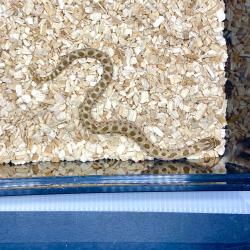
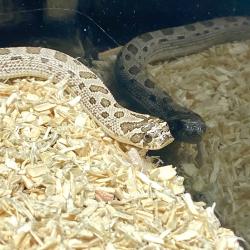
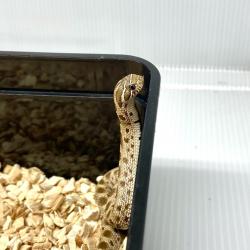
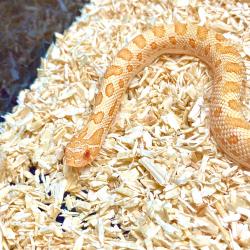
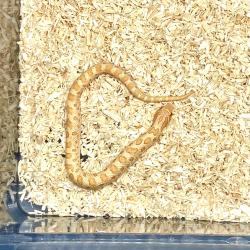
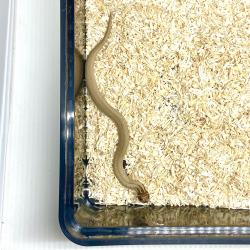
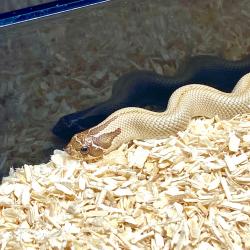
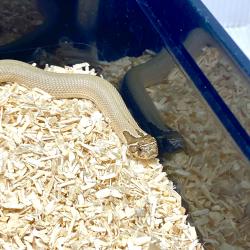
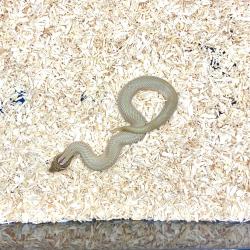
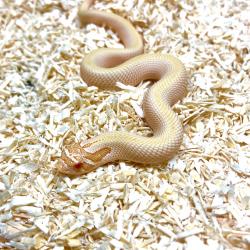
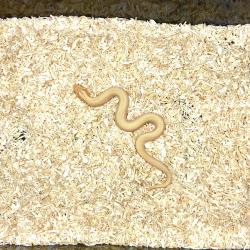
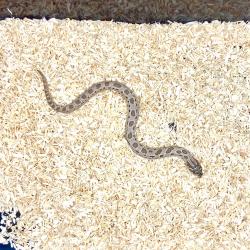


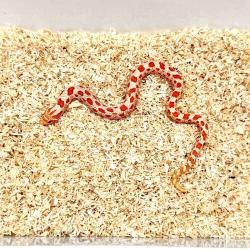
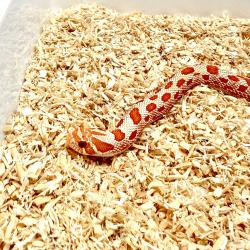
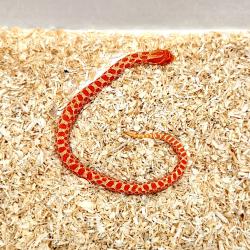
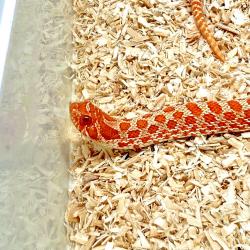


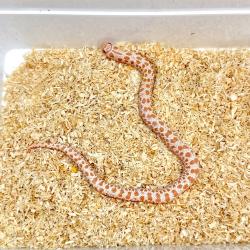
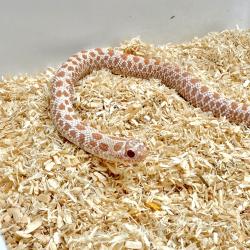
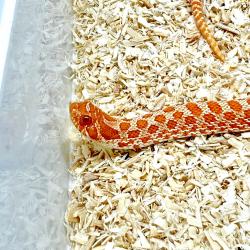
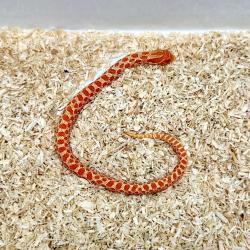
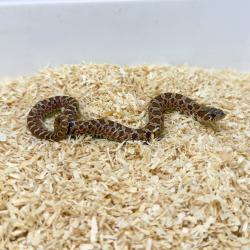
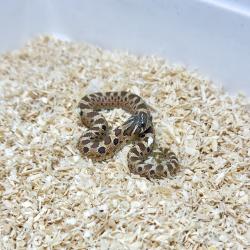
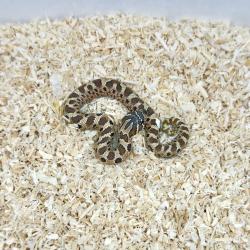
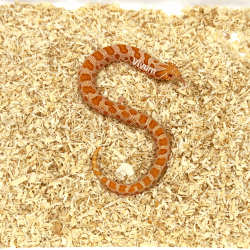
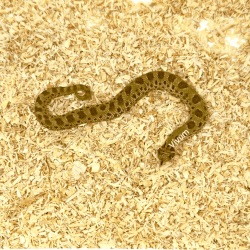
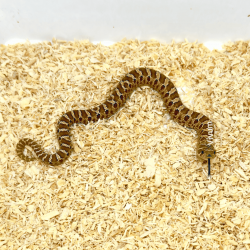
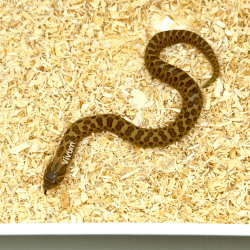
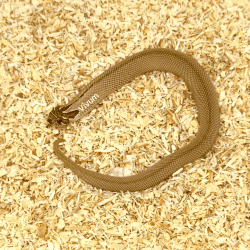
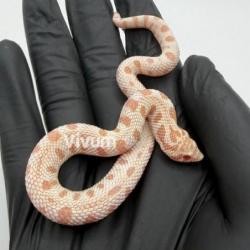
| Common Name: | Hognose Ocidental |
| Scientific Name: | Heterodon nasicus |
| CITES Appendix: | No |
| Annex II Portuguese Ordinance No. 86/2018: | Yes |
Under Portuguese Law No. 95/2017 of 23 August, the sale and/or advertising of wild/exotic animals through websites or online platforms is not permitted. To find out which animals we currently have available and their conditions of sale, please get in touch with us.
 Progressive Discounts
The more you buy, the less you pay for transport
 Same Day Dispatch
For orders finalized by 3pm
 Live/Frozen Guaranteed Delivery
In live and frozen food
O conteúdo (Texto e Fotografias) desta página está protegido por direitos de autor. A sua cópia, redistribuição ou modificação sem autorização prévia poderá resultar em responsabilização legal.
Size: Females can reach up to 90 cm (usually 60–75 cm); males are much smaller, rarely exceeding 50 cm
Origin: Southern Canada, central and western USA and northern Mexico
Lifespan: 15 to 20 years
Natural Habitat: The Hognose Ocidental is native to the prairies and dry rocky lands of central and western North America, anywhere with sandy, well-drained soil where it can burrow.
Other names: Western Hognose Snake
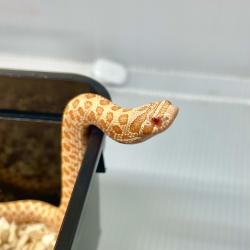
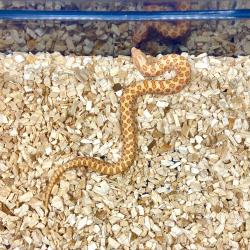
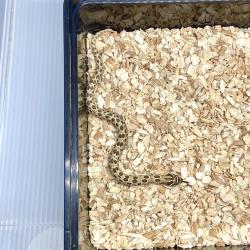
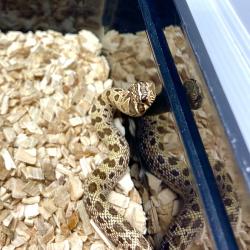
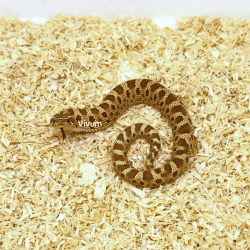
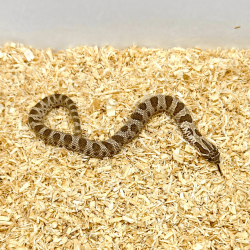
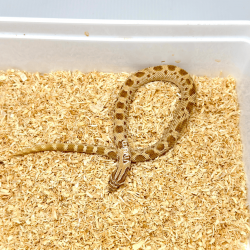
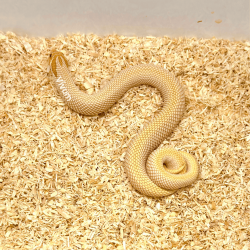
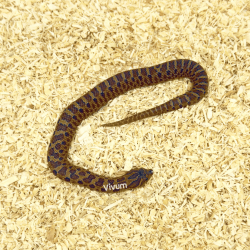
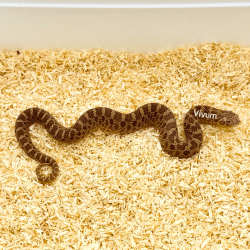
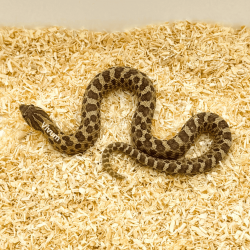
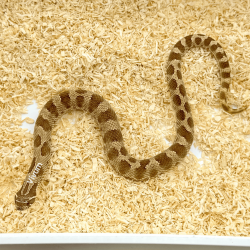
The Hognose Ocidental is a snake species easily recognised by the shape of its head. It is a diurnal burrowing species, easy to care for and suitable for experienced keepers and newcomers to the hobby alike.
When threatened, it may hiss, flatten and spread its neck or even play dead. This is a harmless bluff that tends to fade with regular handling. Its saliva is mildly toxic: bites are rare and usually without consequence, but occasionally they can cause local swelling and irritation. If bitten, wash the area thoroughly and, should any reaction occur, seek medical advice.
Although this is a relatively easy species to keep, a few aspects require attention and certain conditions must be ensured, as described in the following paragraphs.
Size: Minimum of 90x45x45 cm for 1 adult female. Young snakes, as well as adult males, can be kept in considerably smaller terrariums.
Material: Glass or Wood
The terrarium must have a securely locking lid/door, as snakes are experts at escaping through any gap.
A terrarium with a thermal gradient should be provided, with a minimum temperature of 22 °C on the cool side and around 32 °C on the warm side. At night the temperature should not drop below 20 °C. To maintain these temperatures, a heat mat should be used under the terrarium, optionally with a Basking Spot lamp on the warm side during the day.
Although not essential, daytime exposure to a UVI of 0 to 3 (Ferguson Zone 1-2) is recommended. ShadeDweller UV lamps can be used to reach these UV levels.
Although it comes from semi-arid habitats, the Hognose Ocidental always needs a source of clean water in the terrarium. Relative humidity should be kept between 30 and 50%.
Aspen or Arcadia Earth Mix Arid can be used as substrate, 8 to 10 cm deep so the snake can burrow. A three-dimensional habitat can be created with branches and rocks, making sure they are securely fixed. Especially with young animals, it is advisable to provide plenty of hiding places to avoid unnecessary stress. Live (safe species only) and/or artificial plants can also be used.
Feeding habits: Carnivorous
Juvenile Diet: Prey items of up to 15% of the animal’s body mass every 5 days.
Adult Diet (from 2 years old): Prey items of up to 10% of the animal’s body mass every 7 to 14 days. Hognoses are prone to obesity, so this frequency should not be exceeded.
As a rule of thumb, the prey item should not be wider than the widest part of the snake’s body.
Dead Mice (frozen and properly thawed).
No vitamin or mineral supplementation is needed: whole prey (bones, organs and muscle) provides complete nutrition, including the calcium and vitamins the snake requires.
Under Portuguese Law No. 95/2017 of 23 August, the sale and/or advertising of wild/exotic animals through websites or online platforms is not permitted. To find out which animals we currently have available and their conditions of sale, please get in touch with us.
