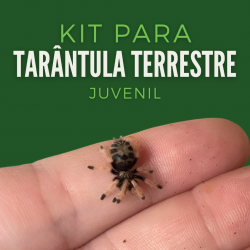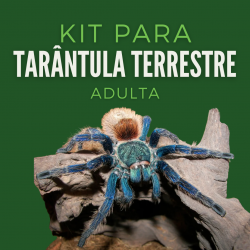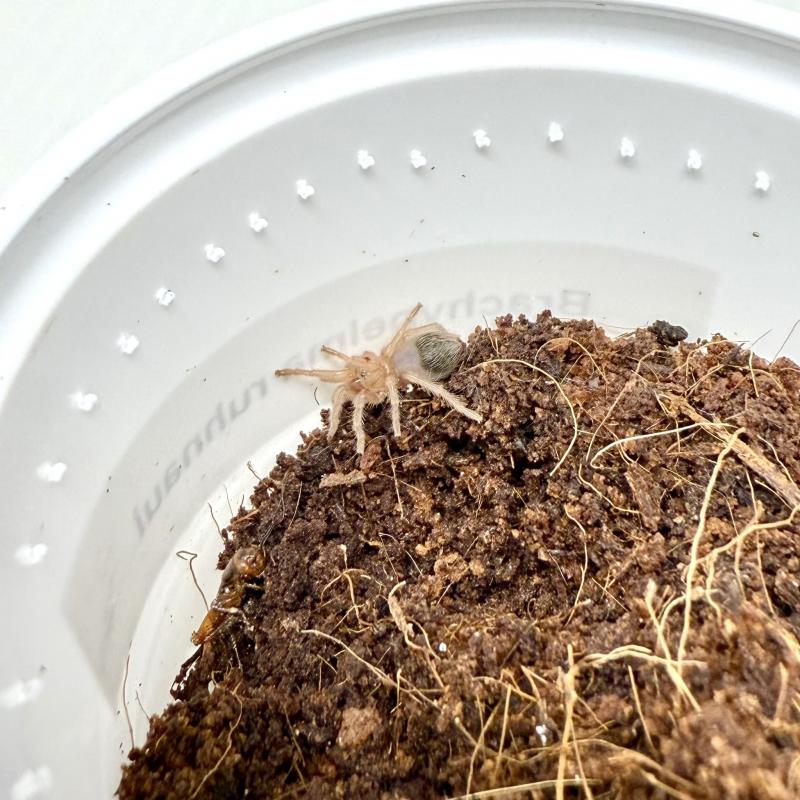
| Common Name: | Tarântula Brachypelma ruhnaui |
| Scientific Name: | Brachypelma ruhnaui |
| CITES Appendix: | Yes, IIB |
| Annex II Portuguese Ordinance No. 86/2018: | Yes |
Under Portuguese Law No. 95/2017 of 23 August, the sale and/or advertising of wild/exotic animals through websites or online platforms is not permitted. To find out which animals we currently have available and their conditions of sale, please get in touch with us.
 Progressive Discounts
The more you buy, the less you pay for transport
Progressive Discounts
The more you buy, the less you pay for transport
 Same Day Dispatch
For orders finalized by 3pm
Same Day Dispatch
For orders finalized by 3pm
 Live/Frozen Guaranteed Delivery
In live and frozen food
Live/Frozen Guaranteed Delivery
In live and frozen food
Size: Adults can reach 15cm
Origin: Mexico and Guatemala
Lifespan: Females: up to 15-20 years. Males: 5 years.
Natural Habitat: Brachypelma ruhnaui inhabits drier savannah and scrubland in Mexico and Guatemala.
Brachypelma ruhnaui is a docile, easy-to-keep tarantula species. Although it prefers to flee and hide, it can bite, so handling should be kept to a minimum. Even so, it is still one of the tarantula species best suited to beginners.
Although this is an easy species to keep, you should pay attention to a few aspects and ensure certain conditions, which you will find in the following paragraphs.
Size: A minimum terrarium of 30x30x30 is recommended for 1 adult. Younger animals should be kept in proportionally smaller terrariums.
Material: Glass
The terrarium temperature should be kept between 21 and 28ºC. To stay within this range, no heat source is usually needed.
Tarantulas do not need UVB.
Brachypelma ruhnaui needs a relative humidity of around 75%. Both humid and drier areas should be created across the terrarium.
It is recommended to always provide a shallow water dish where they can drink.
For decor, try to recreate a dry forest-floor habitat. This species likes to burrow, so provide a tropical substrate at least 15cm deep (for adults). You can decorate the terrarium with logs, plants (live or artificial), cork bark, stones, moss...
Feeding habits: Insectivorous
Diet: As juveniles they can be fed once a week. As they grow, feeding can be reduced to every two weeks. This species is known for long and seemingly random fasts, sometimes going several months without eating. These fasts are no cause for concern as long as all conditions are met.
Insects: Roaches, Crickets, Locusts, Calcium Worms, Waxworms, Mealworms...
Tarantulas do not need supplementation.
Under Portuguese Law No. 95/2017 of 23 August, the sale and/or advertising of wild/exotic animals through websites or online platforms is not permitted. To find out which animals we currently have available and their conditions of sale, please get in touch with us.